Examining E-Transfer Verification Processes for Mobile Slot Game Bonuses in Licensed Provincial Jurisdictions
Logan Schröder · Sep 19, 2026
Examining E-Transfer Verification Processes for Mobile Slot Game Bonuses in Licensed Provincial Jurisdictions
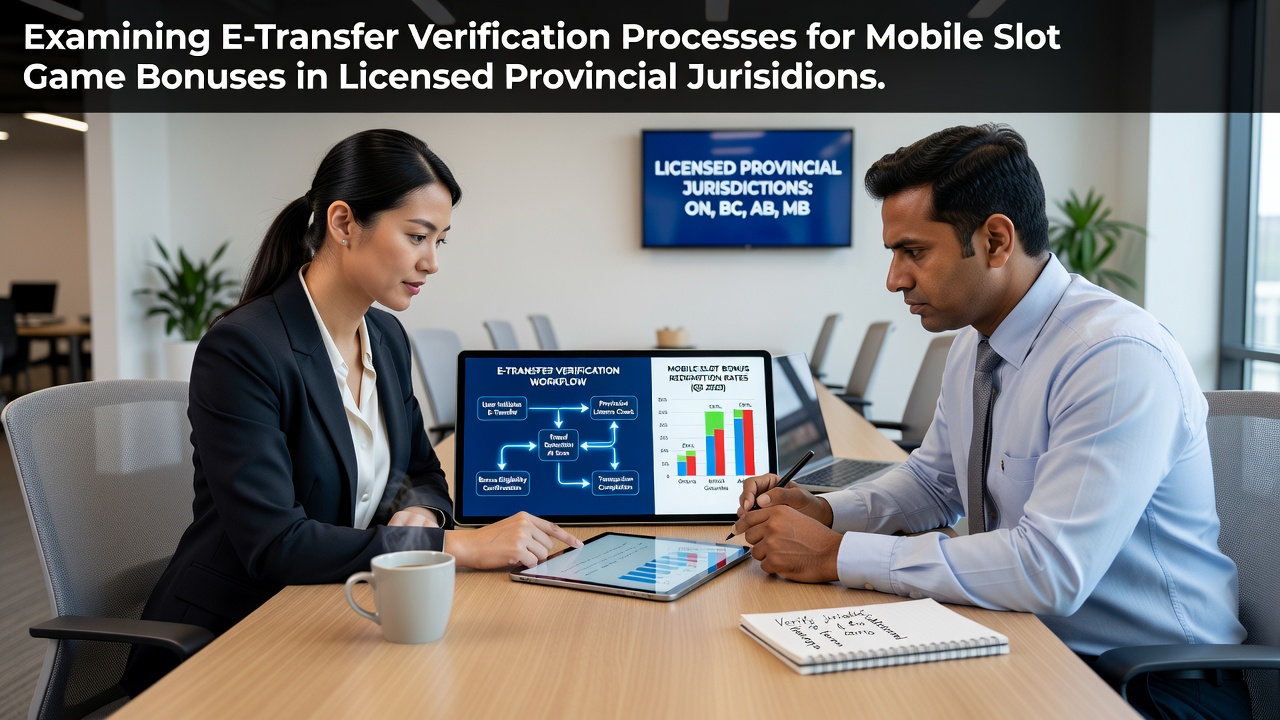
Provincial licensing frameworks across Canada establish specific requirements for e-transfer verification when players claim bonuses on mobile slot games, and these rules tie directly into broader financial transaction standards that operators must follow. Licensed platforms in jurisdictions such as Ontario and British Columbia integrate automated checks that confirm account ownership, transaction limits, and bonus eligibility before any funds move through Interac or similar systems. Data from regulatory filings shows that verification sequences typically begin with a player-initiated e-transfer request, followed by real-time cross-referencing against government-issued identification and banking records.
Core Components of E-Transfer Verification in Mobile Environments
Operators deploy multi-layered authentication that combines device fingerprinting, IP address matching, and one-time passcodes sent via SMS or app notifications, while provincial rules require that each step logs timestamps and outcome codes for audit purposes. Research indicates that these processes reduce unauthorized claims by aligning with standards set by bodies such as the Alcohol and Gaming Commission of Ontario, where operators submit quarterly reports detailing verification success rates. In practice, a player requesting a mobile slot bonus sees the system pause the transaction until the e-transfer clears a hold period that varies from two to five business days depending on the province.
Verification protocols also incorporate risk-scoring algorithms that flag patterns such as repeated small transfers or mismatched billing addresses, and these scores determine whether additional manual review occurs. Studies from academic institutions tracking digital payment adoption reveal that September 2026 brought updated API integrations in several provinces, allowing faster confirmation of e-transfer status without extending the overall bonus claim window. Those who manage mobile slot platforms note that the same verification pipeline applies whether the bonus originates from a welcome package or an in-game promotion, ensuring consistency across player accounts.
Provincial Variations in Regulatory Oversight
Each licensed jurisdiction maintains distinct thresholds for transaction monitoring that affect how quickly e-transfer bonuses reach mobile slot accounts, and Quebec regulators emphasize consumer protection clauses that mandate separate confirmation of age and residency before funds release. Alberta's framework, by contrast, focuses on velocity limits that cap the number of e-transfers tied to bonus funds within a calendar month, with operators required to submit compliance summaries to the Alberta Gaming, Liquor and Cannabis Commission. Observers note that these differences create operational adjustments for national platforms, which must maintain separate rule sets for each province while preserving a unified mobile interface.
Technical Integration and Security Measures
Mobile slot applications embed e-transfer gateways that communicate directly with Interac's secure network, and the verification layer sits between the game server and the payment processor to intercept bonus claims that fail basic checks. Encryption standards follow PCI-DSS guidelines augmented by provincial encryption mandates, which specify key rotation schedules and audit trail retention periods of at least seven years. Figures from industry reports show that successful verification rates exceed 94 percent in provinces that adopted unified digital identity services by mid-2026, reducing support ticket volume related to stalled bonus redemptions.
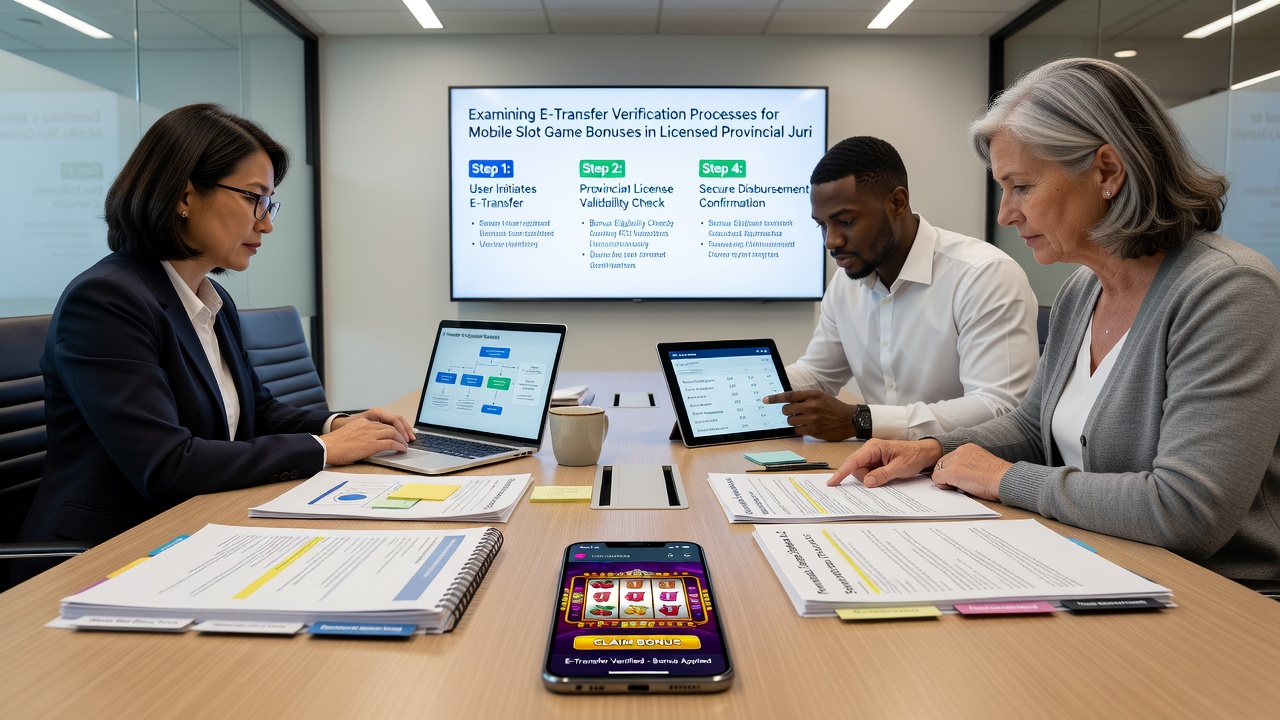
Additional controls include geolocation verification that confirms the device remains within the licensed province at the moment of claim, while session timeouts prevent prolonged verification windows from creating security gaps. Researchers at institutions examining fintech adoption in gaming have documented that these combined measures also support responsible gambling tools, automatically linking verified e-transfer histories to self-exclusion lists maintained by provincial registries.
Compliance Reporting and Audit Requirements
Licensed operators submit detailed logs of every e-transfer verification attempt to their respective provincial authorities, and these records include fields for player ID, transaction amount, verification outcome, and any manual intervention applied. The process supports annual audits that examine whether bonus funds reached only eligible accounts and whether failed attempts triggered appropriate player notifications. Data indicates that provinces sharing verification infrastructure through inter-jurisdictional agreements achieve faster reconciliation of cross-border player activity, although each jurisdiction retains final authority over its own bonus rules.
Training programs for operator staff emphasize recognition of verification anomalies that may signal policy breaches, and regulatory bodies conduct periodic mystery-shopping exercises to test real-world compliance. These exercises measure response times from initial e-transfer request to final bonus credit, providing benchmarks that operators must meet to retain their licenses.
Conclusion
Provincial licensing continues to shape the precise sequence of checks applied to e-transfer verification for mobile slot game bonuses, with ongoing technical updates ensuring alignment between payment security and regulatory expectations. The documented processes demonstrate how operators balance player convenience against the need for transparent, auditable financial flows within each jurisdiction's framework.